I recently wrote that the spark to my writing “Eclipsed by Shadow” was triggered by the corporatization of Harvard Square and the loss of its venerable old bookstores. It was alarmingly easy to relate ancient nomadic destruction of religious settlements to the commercial invasion of these hallowed shelves. Both invaders had as their object mere material gain, and neither saw worth in the defenseless.
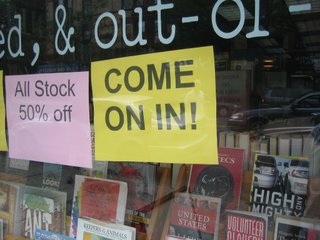 My fascination with history was fueled by the doomed abundance of the historical record preserved in those sleepy bookstores. I was learning that history not only repeated but it echoed. As Faulkner said, the past isn’t dead, it isn’t even past. It seems more evident today, twelve years later, as we watch world events take stunning turns that defy logic or intent. Reality does not correspond to our wishes or beliefs: it is necessary for humanity to correspond to the reality of human nature and social dynamics.
I began to see the trial and error component of human society, and discovered that civilization’s progress was not so much a smooth path upward as a broken one with pits and valleys. Societies grew as they learned, and as they grew they corrupted and lost their lessons and finally perished. Over and over again.
So what made the Harvard bookstore demolition so tragic in my view was not just the loss of the threads of our historical conversation, but that the act itself was already evidence of the process of forgetting. Unfortunately, what makes the 21st Century truly different from other times is the penalty for this kind of forgetting. Crowded humanity has come to a place when it can effectively destroy itself; our technology is too advanced for us to revert to failed ideas and patterns.
How will we avoid the old pitfalls if we cannot remember them? That was the problem that intrigued me: the answers are in the pages of history, if we can only be persuaded to look.
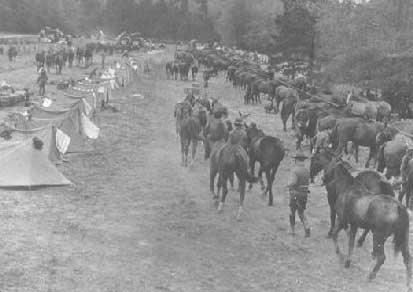
I wanted a way to thread history together, and looked for clues in the gilded pages of those ill-fated history books. A cohesive clue must be discoverable in all those old books, something nearly universal to all humanity. Perhaps an invention like the wheel, maybe music, or clothing, or food … if there were only some common link somehow obscured and hidden within all these colorful pages with their images of countless horses…